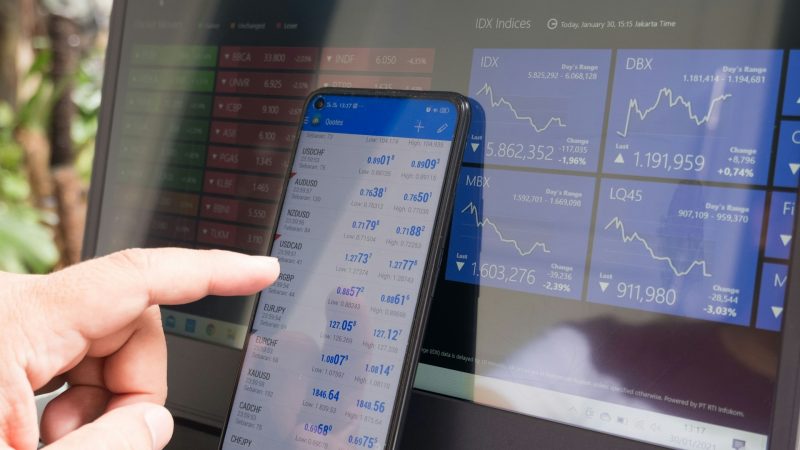
Gold Breaches $4,500 Milestone as Safe-Haven Demand Surges
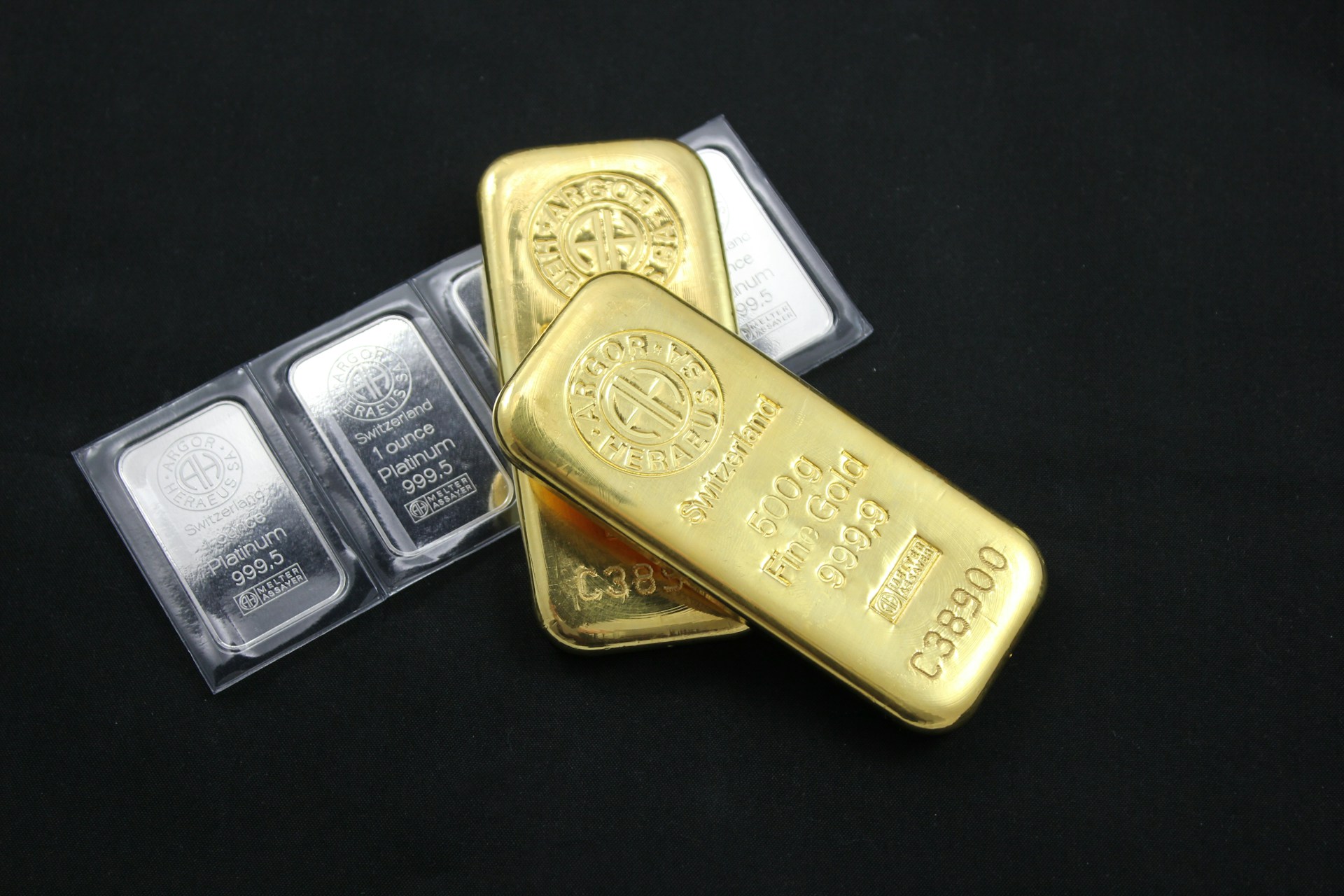
The holiday period brought little respite for the commodities markets, with the price of gold shattering records to breach the historic $4,500 mark for the first time. Following a brief dip, the metal reclaimed this psychological threshold by Friday, driven by an unyielding appetite for safe-haven assets. Since the start of the year, bullion has surged by more than 70 per cent—its most significant annual gain since 1979—while silver is simultaneously charting its own path to fresh highs.
Geopolitics and Monetary Policy Fuel the Rally
This relentless rally is underpinned by a complex web of factors, primarily the anticipation that the US Federal Reserve will continue to slash interest rates in the coming year. Traders are betting heavily that after three consecutive cuts, credit costs will fall again, providing a tailwind for non-yielding assets like precious metals.
Compounding this is the weakness of the US dollar, exacerbated by the volatile tariff policies of President Donald Trump. A softer dollar inevitably makes gold more attractive to international buyers. Furthermore, the geopolitical landscape remains fraught with tension; specific pressure from the United States on Venezuela has heightened anxiety, whilst major economies like China are actively diversifying their reserves, swapping long-held US Treasury bonds for gold.
According to analysts at Société Générale, the primary risk to this upward trajectory would be a sudden slowdown in purchases by emerging market central banks. However, as long as that demand holds, market positioning suggests the extraordinary ascent of gold is likely to continue.
The Shift to Paper Gold
While private investors can still purchase physical bullion from dealers, the modern market has shifted significantly towards financial instruments. Investors are increasingly utilising futures exchanges to lock in prices for future dates or pouring capital into Exchange Traded Funds (ETFs). These funds, which issue securities backed by physical metal, allow participation in the market without the logistical headache of storage.
Data from the World Gold Council underscores the scale of this shift. Inflows into physically backed gold ETFs reached $64 billion by October, with September alone recording a record influx of $17.3 billion.
Fears of a Bubble Amidst the Frenzy
Despite the optimism, voices of caution are growing louder. The Bank for International Settlements (BIS)—often termed the central bank for central banks—issued a warning earlier this month regarding the potential for a gold bubble. They highlight that the rush of private investors, often swayed by media hype and spiralling prices, raises the risk of a sharp correction.
The BIS pointed to historical precedents, such as the crash following the 1980 peak, which ushered in years of depressed prices. What makes 2025 distinct, however, is the simultaneous “explosive” growth of both gold prices and equity markets, a divergence from typical historical patterns where gold usually acts as a counterweight to stocks. Experts urge investors to maintain a diversified portfolio rather than over-exposing themselves to a single commodity, noting that gold is not always a reliable hedge against inflation over the short term.
Silver Joins the Ascent
It is not merely gold enjoying the limelight. The rally in silver has been nothing short of spectacular, with the metal currently battling through the $70 price range. While signs of overheating are perhaps more visible here than in the gold market, neither metal is showing immediate weakness. Indeed, market watchers suggest gold may already have the $5,000 target firmly in its sights, while silver could conceivably reach triple digits in the coming year.
Spotlight on Market Winners
The sector-wide boom is exemplified by the performance of individual mining stocks. Pan American Silver (Ticker: PA2), a Canadian producer, has emerged as one of the standout performers of 2025. Having started the year trading around $21, the stock has climbed to nearly $54—a gain of approximately 160 per cent.
Having recently broken through the $50 barrier, the share price briefly found fresh momentum before facing resistance near $55. While the upward path looks technically clear, the risk of profit-taking remains. For the chart to remain bullish, analysts suggest any pullbacks must be contained above $43.40; a drop below this level would necessitate a reassessment of the stock’s immediate prospects. As 2026 approaches, the question remains whether such equities can replicate this year’s formidable performance.